The Value of Intergenerational Wisdom: Why Every Generation Needs the Other
Jul 25 2026
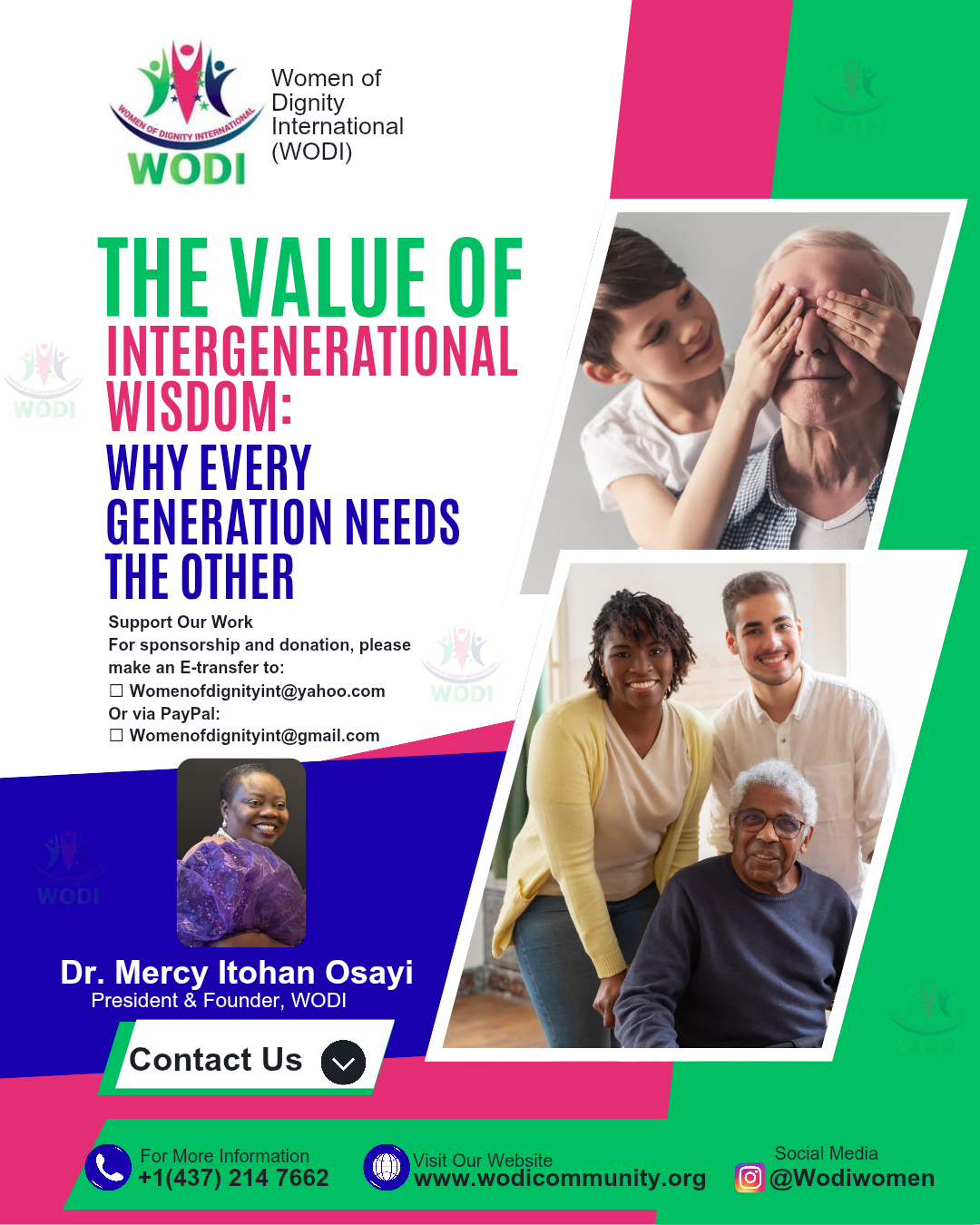
The Value of Intergenerational Wisdom: Why Every Generation Needs the Other
In many homes today, it is becoming increasingly common for generations to live separate lives. Children are busy with school and technology, parents are occupied with work and responsibilities, while many older adults spend long hours alone. Although they may live in the same community—or even under the same roof—they often have very little meaningful interaction.
In the process, something valuable is being lost.
Every generation has something to offer. Older adults carry years of experience, life lessons, and wisdom gained through both success and hardship. Younger people bring fresh ideas, creativity, energy, and a willingness to embrace change. When these strengths come together, families become stronger and communities flourish.
Unfortunately, society sometimes creates a divide between generations. Young people may assume that older adults cannot relate to modern life, while seniors may feel that their knowledge is no longer appreciated. These misunderstandings can lead to isolation, loneliness, and missed opportunities for learning.
The truth is, wisdom never goes out of style.
A grandparent's story about overcoming hardship can teach resilience more effectively than a textbook. A conversation with an older neighbour can offer valuable insights about patience, perseverance, and gratitude. At the same time, a young person can help an older adult learn new technology, explore new ideas, or stay connected with loved ones through the digital world.
These exchanges are not just helpful—they are transformative.
One of the greatest gifts we can give our children is the opportunity to build relationships with older generations. Through these connections, they learn respect, empathy, and an appreciation for history and culture. They discover that growing older is not something to fear but a journey filled with knowledge and purpose.
For seniors, meaningful relationships with younger people can reduce loneliness, improve emotional well-being, and provide a renewed sense of belonging. Feeling valued and included reminds them that they still have an important role to play in shaping the future.
In multicultural communities across Canada, intergenerational relationships also help preserve cultural traditions, languages, and family values. Stories passed from one generation to another strengthen identity and create a deeper sense of belonging.
Building these connections does not require grand events. It can begin with simple acts—sharing a meal, asking an older family member about their life experiences, inviting a senior to a community activity, or encouraging children to spend quality time with their grandparents. Sometimes, the most meaningful conversations happen around the kitchen table.
As our communities continue to grow and change, let us remember that progress does not mean leaving older generations behind. It means moving forward together, respecting the past while preparing for the future.
When generations learn from one another, everyone benefits. Young people gain wisdom beyond their years, older adults regain a sense of purpose, and families become more united.
After all, the strongest communities are not built by one generation alone. They are built when every generation is seen, heard, respected, and valued.
From the WODI Perspective
At Women of Dignity International, we believe every generation has a voice and every stage of life has value. Through our Senior Care Initiative, youth programmes, storytelling sessions, and family-centred activities, we encourage meaningful connections that bridge generations. By bringing young and old together, we preserve wisdom, strengthen families, and build communities where everyone feels they belong.
WODI: Building an inclusive community for Women and Families!