
Domestic Violence: Recognising the Signs Before It Is Too Late
Jul 29 2026
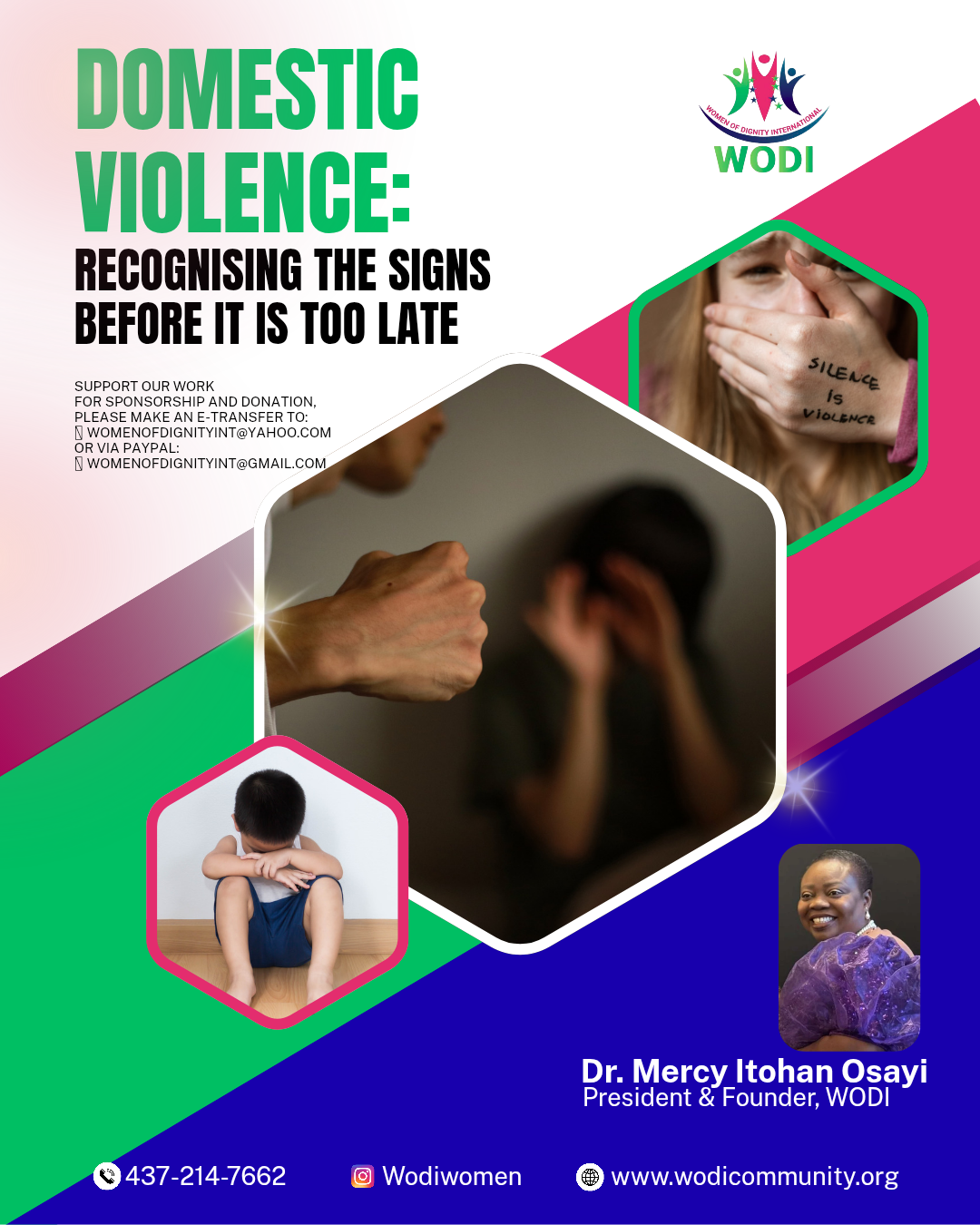
Domestic Violence: Recognising the Signs Before It Is Too Late
Home should be a place of love, comfort, and safety. It should be where people feel protected, respected, and valued. Sadly, for many individuals, home is the very place where they experience fear, intimidation, and abuse.
Domestic violence is often misunderstood. Many people believe it only involves physical harm, but abuse can take many forms. It can be emotional, verbal, psychological, financial, or sexual. It can involve threats, controlling behaviour, isolation from family and friends, constant humiliation, or limiting someone's access to money and basic necessities. These forms of abuse may leave no visible scars, but they can cause deep and lasting emotional pain.
One of the reasons domestic violence continues is because it is often hidden. Victims may remain silent due to fear, shame, financial dependence, concern for their children, or the hope that the situation will improve. Others worry that they will not be believed or supported if they speak out.
This silence can be dangerous.
Friends, neighbours, relatives, and colleagues are sometimes the first to notice when something is wrong. A person who suddenly withdraws from social activities, appears unusually anxious, frequently apologises for their partner's behaviour, or has unexplained injuries may be asking for help without saying a word. While we should never jump to conclusions, we should also never ignore signs that someone may be in distress.
Supporting someone experiencing abuse begins with compassion. Listen without judgment. Avoid blaming them for what has happened. Let them know they are not alone and that help is available. Sometimes, simply believing someone's story gives them the courage to take the next step towards safety.
Preventing domestic violence also starts with education. Children who grow up in homes where respect, healthy communication, and equality are practised are more likely to build positive relationships as adults. Teaching young people that love should never involve fear, control, or violence helps break the cycle of abuse for future generations.
Communities have an important role to play. Faith groups, schools, employers, community organisations, and local leaders can raise awareness, promote healthy relationships, and create safe spaces where people feel comfortable seeking support. Together, we can replace silence with understanding and isolation with hope.
Every person deserves to live free from fear. Healthy relationships are built on trust, respect, kindness, and open communication. They encourage growth rather than control and provide security rather than anxiety.
If you suspect that someone you know is experiencing domestic violence, do not ignore your concerns. A caring conversation, a willingness to listen, or helping them connect with appropriate support services could make a life-changing difference.
A safe home is not a privilege—it is a basic human need. By speaking up, supporting one another, and promoting healthy relationships, we can help create communities where every individual is treated with dignity and respect.
From the WODI Perspective
At Women of Dignity International, we believe every woman, child, and family deserves to live in a safe and supportive environment. Through education, community engagement, advocacy, and empowerment programmes, we encourage healthy relationships built on respect, dignity, and mutual care. Together, we can raise awareness, support those in need, and help build communities where every home is a place of peace and hope.
WODI: Building an inclusive community for Women and Families!